


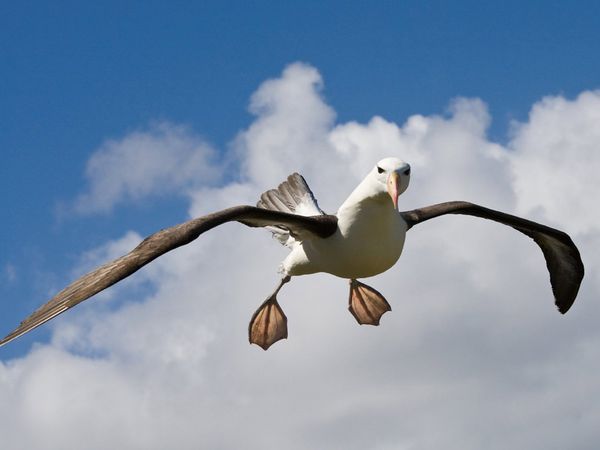
With Taylor Pendrith making the first albatross in the history of The Sentry in the 2025 event final round, you're probably wondering just how rare it is to make one.
Pendrith's deuce on the par-5 fifth -- which is one of the easiest holes on the PGA Tour -- was the 142nd albatross since 1983, when the Tour's recordkeeping for the stat begins. That means that there have been about 3 or 4 per year since the stats started.
However, in 2024, there were 5 albatrosses made on the PGA Tour, including in the next-to-last event of the year.
Back in 2015 at the Arnold Palmer Invitational at Bay Hill, Daniel Berger, then Zach Johnson made albatrosses (they're not called double eagles!) in back-to-back days on the PGA Tour
Johnson's Sunday albatross 2 at Bay Hill was the 110th on the PGA Tour since the Tour began keeping those statistics since 1983. From 1983 to 2003, there were just 56. From 2004 onward to that day in 2015, there had been 54, including two in two days.
That means that there have been 32 albatrosses from March 2015 to January 2025, so there has been a downward trend in the number of albatrosses in the last decade or so.
Among all golfers, there are typically 40,000 holes-in-one in a given year, with just a few hundred albatrosses, according to About.com. The odds, according to former USGA employee Dean Knuth, of making an albatross are about 1 million to 1. The odds of making a hole-in-one are around 13,000 to 1.
There have, in fact, been holes-in-one on par 5s in golf. More often than not, they've come on holes where there is a severe dogleg, allowing a player to blast over the curve of the hole directly to the hole location.
Here are a few examples of par-5 aces (which could be called "condors"):
- Larry Bruce, 480-yard, dogleg-right fifth hole at Hope Country Club in Hope, Ark., in 1962
- Shaun Lynch, 496-yard No. 17 at Teign Valley Golf Club in Christow, England, in 1995
- Mike Crean, 517-yard, straight-on No. 9 at Green Valley Ranch Golf Club in Denver, Colo., in 2002

Add Comment