


With the start of a new year, golfers start salivating at the prospect of new equipment that they hope will help them shoot lower scores. At the top of most golfers' wish lists for a new season is typically a driver.
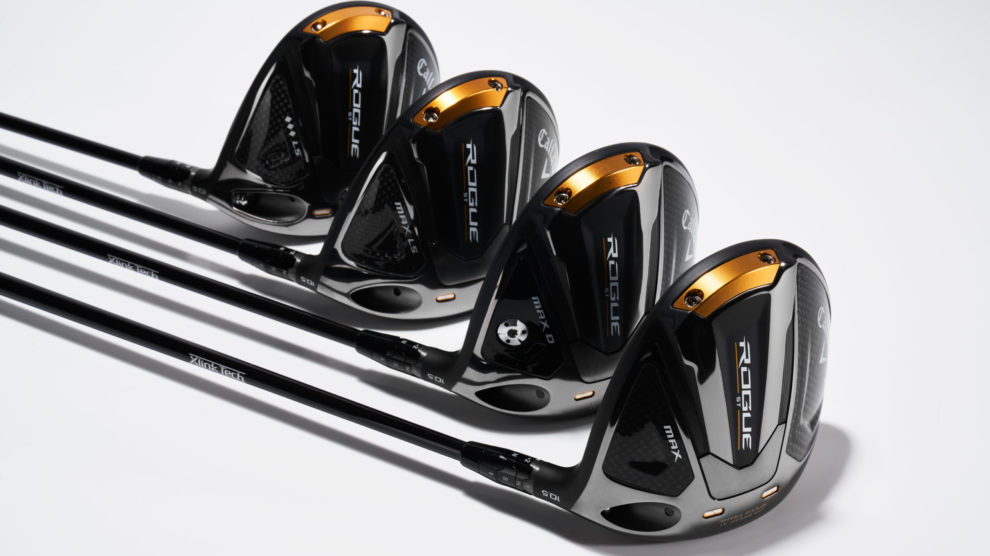
For 2022, Callaway Golf is offering a new, four-driver family that offers new shared technologies in unique heads designed to help specific profiles of golfers perform better than ever.
Tungsten Speed Cartridge
This year's driver family is called the Rogue ST, and the headline technology found in all four drivers is a concept called the Tungsten Speed Cartridge. (Cartridge makes me think of old Nintendo games that you had to blow into to make sure they worked right, but I digress.) The Tungsten Speed Cartridge is weight block of up to 26 grams that's placed low and deep in the head for improved MOI and higher ball speeds. Blocks of mass aren't particularly new in the driver space, but it is increasingly a key feature that really does improve performance.
Of course, the head shape and key technologies, like the Jailbreak Speed Frame, have been modified, improved and re-positioned to maximize their effectiveness in this lineup of drivers. The JSF has been refined to offer even more ball speed, which is ultimately a big push with any driver. There's more of a balancing act, however, in the Rogue lineup than, say, the Epic lineup, which we'll get next year.
Callaway continues to tout the use of artificial intelligence and rapid virtual prototyping in their designs, optimizing spin, speed and forgiveness. The company believes it has an advantage with Rogue ST in doing all this in a driver with a one-piece frame (or chassis, depending on who you're asking), which means less bonding and the weight that comes from that process.
Four drivers
There four drivers in the series are:
- Rogue ST Max: The catch-all model, blending distance and forgiveness for a big portion of the fitting bell curve. It has a mild draw bias and the largest footprint of the four drivers.
- Rogue ST Max LS: Meant for perhaps a more consistent player (or one just less out to draw it), it naturally flights slightly lower with less spin and is geared to launch with less draw bias. It's kind of a blank canvas for a golfer, which can be a good thing.
- Rogue ST Max D: The heavily draw-biased model of the series, built for the slicer. It has a larger face, sits slighlty closed at address and dares a golfer to hit it right. However, the draw bias is really from weight properties, so a golfer won't notice it as easily, but that weight movement means emphasizing avoiding the right rather than overall forgiveness.
- Rogue ST Triple Diamond LS: A low-profile, low-spin head for better players, the Triple D is not going to be a huge seller. It's a 450cc head (vs. 460cc more commonly) and has potentially the slightest of fade biases. Yup, you read that right. There's less MOI in this head, but a better player can do more of what they want with it.

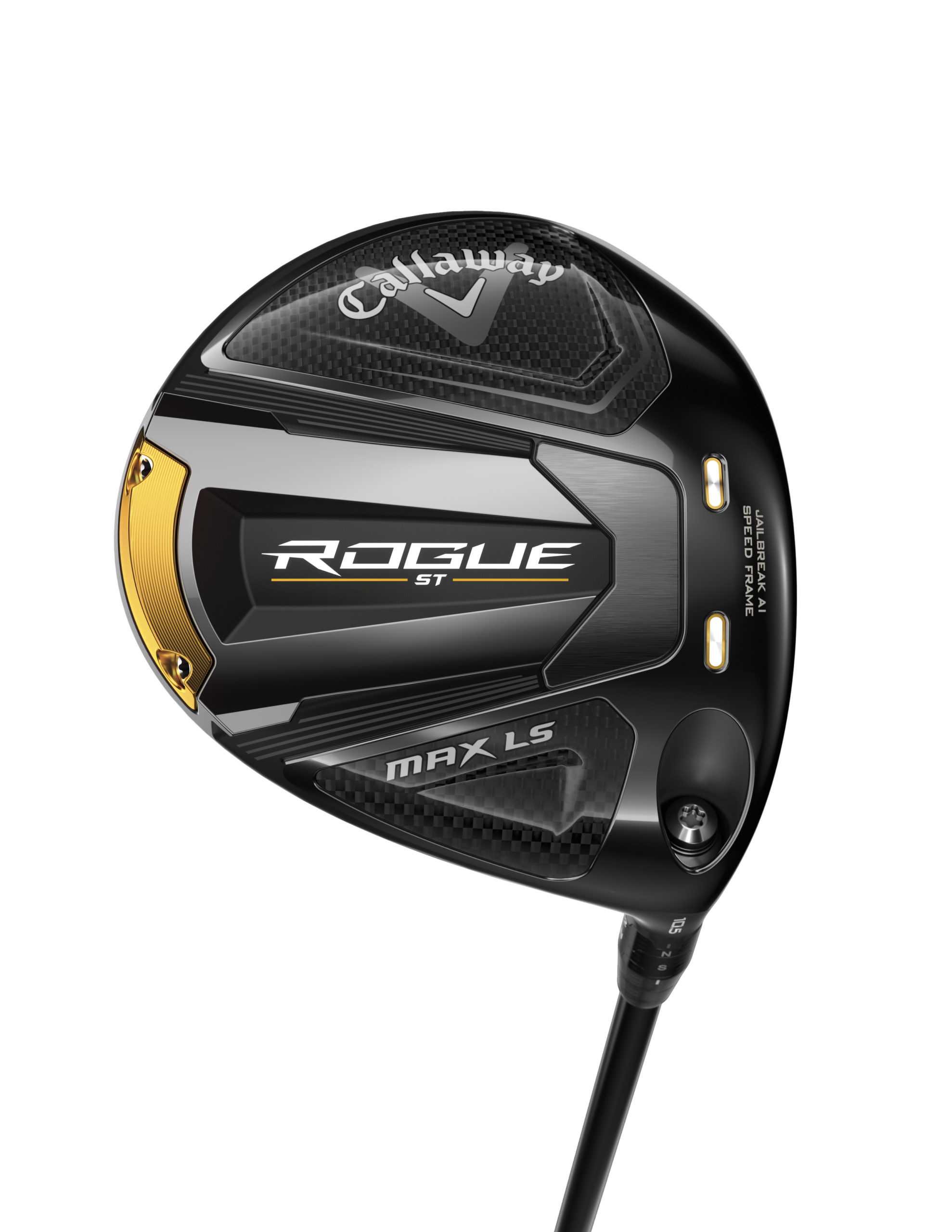
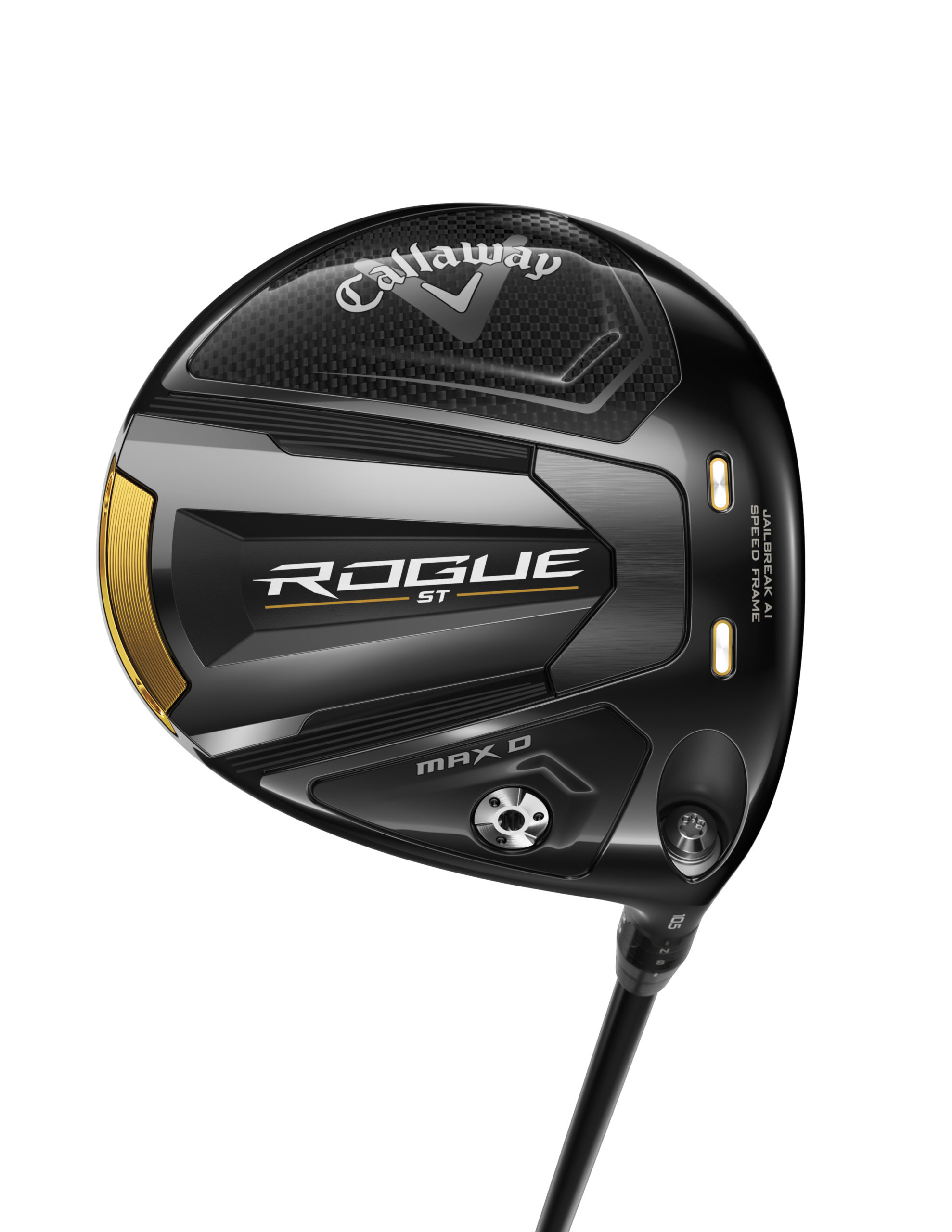
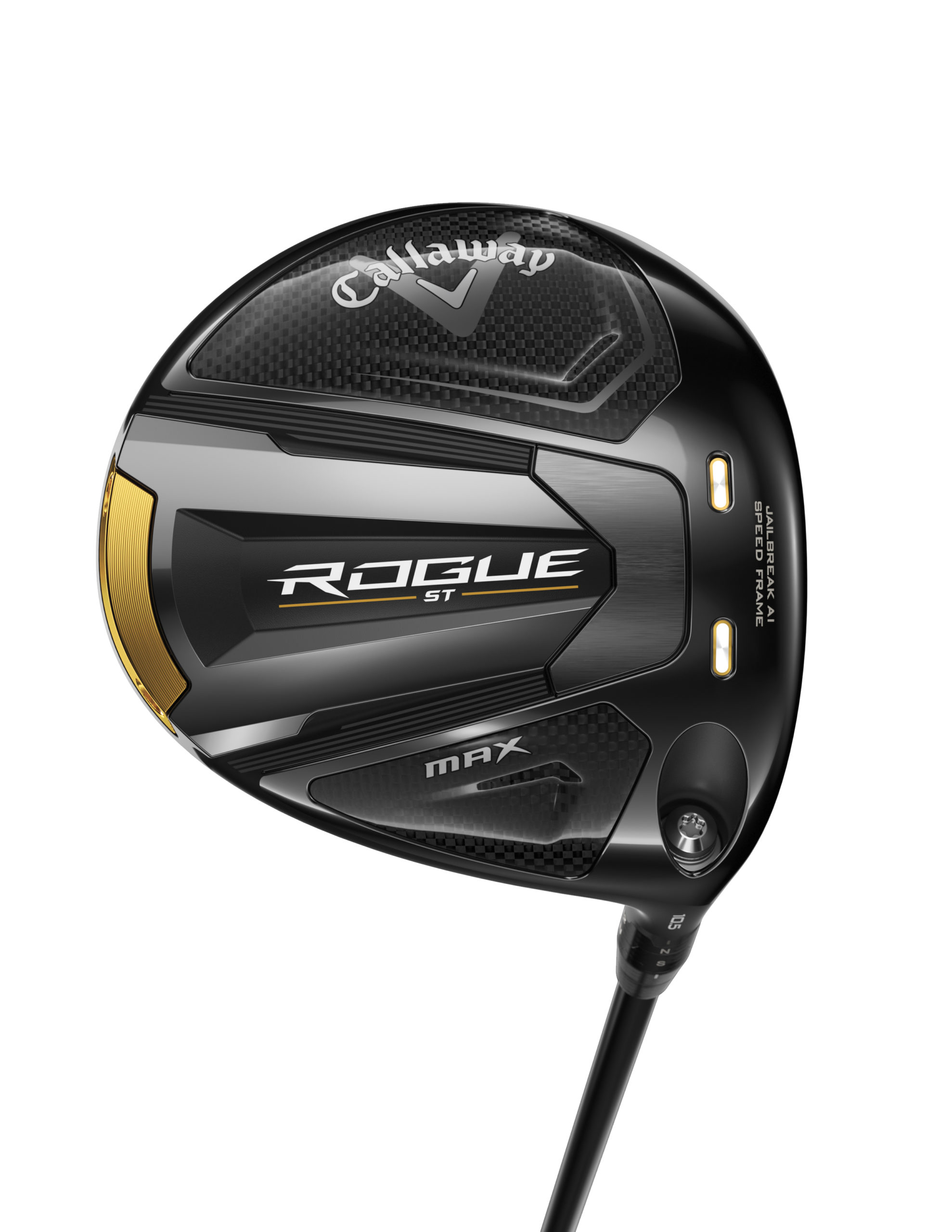
Note that none of the four drivers have movable weights of any kind. There's a strategy here. By offering four specific heads, Callaway feels it can dial in a player with a head rather than having to play around with weight ports and tracks that, frankly, come with some small amount of diminished performance in speed, forgiveness or both. There's only so much engineering can do to overcome discretionary weight applied to the purpose of customization.
Pricing and release dates
The Callaway Rogue ST Max and Rogue ST Max D drivers are available in 9-, 10.5- and 12-degree models, while Rogue ST Max LS and Rogue ST Triple Diamond LS are available in 9- and 10.5-degree heads. All are available in right- and left-handed models.
The stock shaft range includes the Project X Cypher Black (40 and 50 grams), Mitsubishi Tensei AV Blue (50, 60 and 70 grams) and Mitsubishi Tensei AV White (60, 70 and 80 grams).
All four Callaway Rogue ST drivers retail for $550, with the pre-sale beginning Jan. 21 and a full retail launch on Feb. 18.
